Introduction: Why Businesses Are Talking About Ambient Scenting
Walk into a space and you’ll often sense how it feels before you consciously notice what it looks like.
The atmosphere might feel calm. Energising. Premium. Welcoming. Or, sometimes, uncomfortable even if you can’t immediately explain why.
More and more businesses are realising that scent plays a powerful role in shaping these impressions. This has led to growing interest in ambient scenting a strategic approach to using fragrance in commercial environments.
If you’re new to the concept, this guide is designed for you.
We’ll explain what ambient scenting is, how it works, why it influences behaviour and memory, where it’s most effective, and how businesses implement it responsibly. No jargon, no hype just a clear, practical explanation grounded in science and real-world application.
What Is Ambient Scenting?
Ambient scenting is the controlled diffusion of fragrance into a space to influence how people feel, behave, and remember that environment.
Unlike personal fragrance or consumer air fresheners, ambient scenting is:
- Subtle
- Evenly distributed
- Designed for continuous exposure
- Integrated into the background of a space
The goal is not for people to notice the scent directly, but for them to notice how the space feels.
In business settings, ambient scenting is used to:
- Enhance customer and employee experience
- Support brand identity
- Improve comfort and dwell time
- Create emotional connection and memory
Ambient Scenting vs Air Fresheners: What’s the Difference?
This is one of the most common points of confusion.
Air Fresheners
- Designed to mask or eliminate odours
- Often strong and short-lived
- Localised and inconsistent
- Reactive rather than strategic
Ambient Scenting
- Designed to create atmosphere, not mask smells
- Subtle and long-lasting
- Evenly diffused across a space
- Proactive and intentional
Ambient scenting is not about covering up unwanted smells it’s about designing experience.
How Ambient Scenting Works (In Simple Terms)
To understand how ambient scenting works, it helps to understand how the brain processes smell.
The Science Behind Scent
Smell is the only sense that connects directly to the parts of the brain responsible for:
- Emotion (amygdala)
- Memory (hippocampus)
Unlike sight or sound, scent bypasses rational filtering. This means it can:
- Influence mood instantly
- Trigger emotional responses
- Create strong memory associations
This is why a smell can remind you of a place or experience years later without effort.
What This Means for Businesses
When a scent is introduced subtly into a space:
- People feel more comfortable (or energised, depending on the scent)
- They tend to stay longer
- They form emotional associations with the environment
- They are more likely to remember the experience positively
This happens subconsciously without instruction or persuasion.
Why Ambient Scenting Works Better Than You Might Expect
Ambient scenting is powerful because it works below conscious awareness.
People can ignore signage. They can tune out music. They can scroll past visuals.
Scent is harder to ignore not because it’s loud, but because it’s processed emotionally rather than analytically.
This makes ambient scenting especially effective for:
- Physical environments
- Experience-led businesses
- Brands competing for attention and loyalty
Common Business Applications of Ambient Scenting
Ambient scenting is used across many industries, but its role varies depending on context.
Retail
Retailers use ambient scenting to:
- Increase dwell time
- Slow customer pace
- Enhance perceived product quality
- Strengthen brand recall
Hospitality
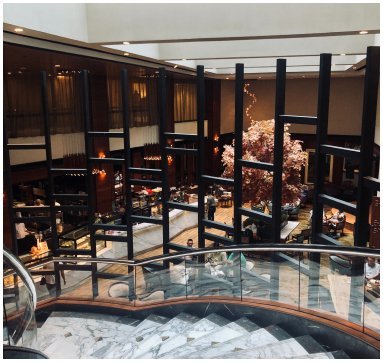
Hotels, restaurants, and venues use scent to:
- Create a sense of arrival
- Reinforce atmosphere
- Anchor memory of the experience
Offices and Workplaces
In workplaces, ambient scenting supports:
- Comfort and wellbeing
- Reduced perceived stress
- Positive perception of the work environment
Healthcare & Wellbeing Spaces
In healthcare-adjacent environments, scent is used carefully to:
- Reduce anxiety
- Create calm waiting areas
- Improve comfort
Property & Display Suites
Property developers use ambient scenting to:
- Create warmth and familiarity
- Support emotional connection to space
- Influence perception of quality
Ambient Scenting and Brand Identity
When ambient scenting is aligned with brand values, it becomes more than atmosphere it becomes identity.
A signature scent is a custom fragrance designed specifically for a brand. When used consistently, it can:
- Become recognisable over time
- Trigger brand recall without visual cues
- Strengthen emotional connection
This is sometimes referred to as an olfactory logo.
Not every business needs a signature scent immediately, but ambient scenting often becomes the first step toward it.
How Ambient Scenting Is Implemented Professionally
Professional ambient scenting differs significantly from DIY solutions.
Diffusion Technology
Professional systems:
- Deliver fragrance evenly
- Allow precise control over intensity
- Integrate with HVAC or operate independently
- Are designed for continuous use
This ensures the scent is consistent, subtle, and comfortable.
Fragrance Design
Fragrances used for ambient scenting are:
- Designed for long-term exposure
- Balanced to avoid irritation
- Selected or developed based on the space and audience
Intensity is calibrated carefully more scent does not mean better results.
Safety, Sensitivity, and Responsible Use
One of the most important aspects of ambient scenting is responsible implementation.
Sensitivity vs Allergy
- Allergies to fragrance ingredients are rare
- Sensitivities (discomfort, headaches, irritation) are more common
Responsible ambient scenting considers:
- Subtlety over strength
- Exposure duration
- Ventilation and airflow
- Population diversity
Professional providers design scents that are felt rather than noticed.
Common Myths About Ambient Scenting
“People Will Complain About the Smell”
When implemented correctly, ambient scenting is subtle. Complaints usually arise from over-scenting or poor diffusion.
“It’s Just for Luxury Brands”
Ambient scenting is used across a wide range of businesses from retail and offices to healthcare and property.
“Any Nice Smell Will Do”
Generic scents rarely align with brand identity and often fail to deliver long-term value.
“It’s Manipulative”
Ambient scenting supports comfort and experience it does not force decisions or behaviour.
Measuring the Impact of Ambient Scenting
Although scent works subconsciously, its impact can still be measured.
Common indicators include:
- Increased dwell time
- Improved customer sentiment
- Repeat visitation
- Brand recall
- Sales uplift (in some environments)
Not all benefits are immediate or transactional. Many appear over time as brand equity builds.
When Ambient Scenting May Not Be Suitable
Ambient scenting is not appropriate for every space.
It may be less suitable where:
- Time spent is extremely brief
- The environment is highly sensitive and unmanaged
- There is no clear emotional or experiential objective
This is why assessment and strategy matter before implementation.
How to Get Started With Ambient Scenting
If you’re considering ambient scenting for your business, start with these steps:
- Define the emotional goal (calm, energy, warmth, focus)
- Assess the space and audience
- Decide whether brand alignment is required
- Work with professionals who prioritise subtlety and safety
- Test, refine, and adjust over time
Ambient scenting works best when it’s introduced thoughtfully, not rushed.
Ambient Scenting vs Scent Marketing: Are They the Same?
Ambient scenting is a subset of scent marketing.
- Ambient scenting focuses on atmosphere and experience
- Scent marketing includes broader applications such as branding, campaigns, events, and multi-touchpoint strategies
Many businesses start with ambient scenting and later expand into full scent branding.
Why Ambient Scenting Is Growing in Australia
Australian businesses are increasingly investing in ambient scenting because:
- Physical experience matters more in a digital world
- Customers expect more than transactional environments
- Emotional differentiation is harder to copy
As spaces compete for attention, scent offers a quiet but powerful advantage.
Final Thoughts: Ambient Scenting as Experience Design
Ambient scenting is not about fragrance for fragrance’s sake.
It’s about:
- Designing how a space feels
- Supporting comfort and engagement
- Creating memory without noise
When implemented responsibly, ambient scenting becomes part of the environment not a distraction from it.
For business owners exploring scent for the first time, understanding these fundamentals is the key to making informed, confident decisions.
About BrandScent
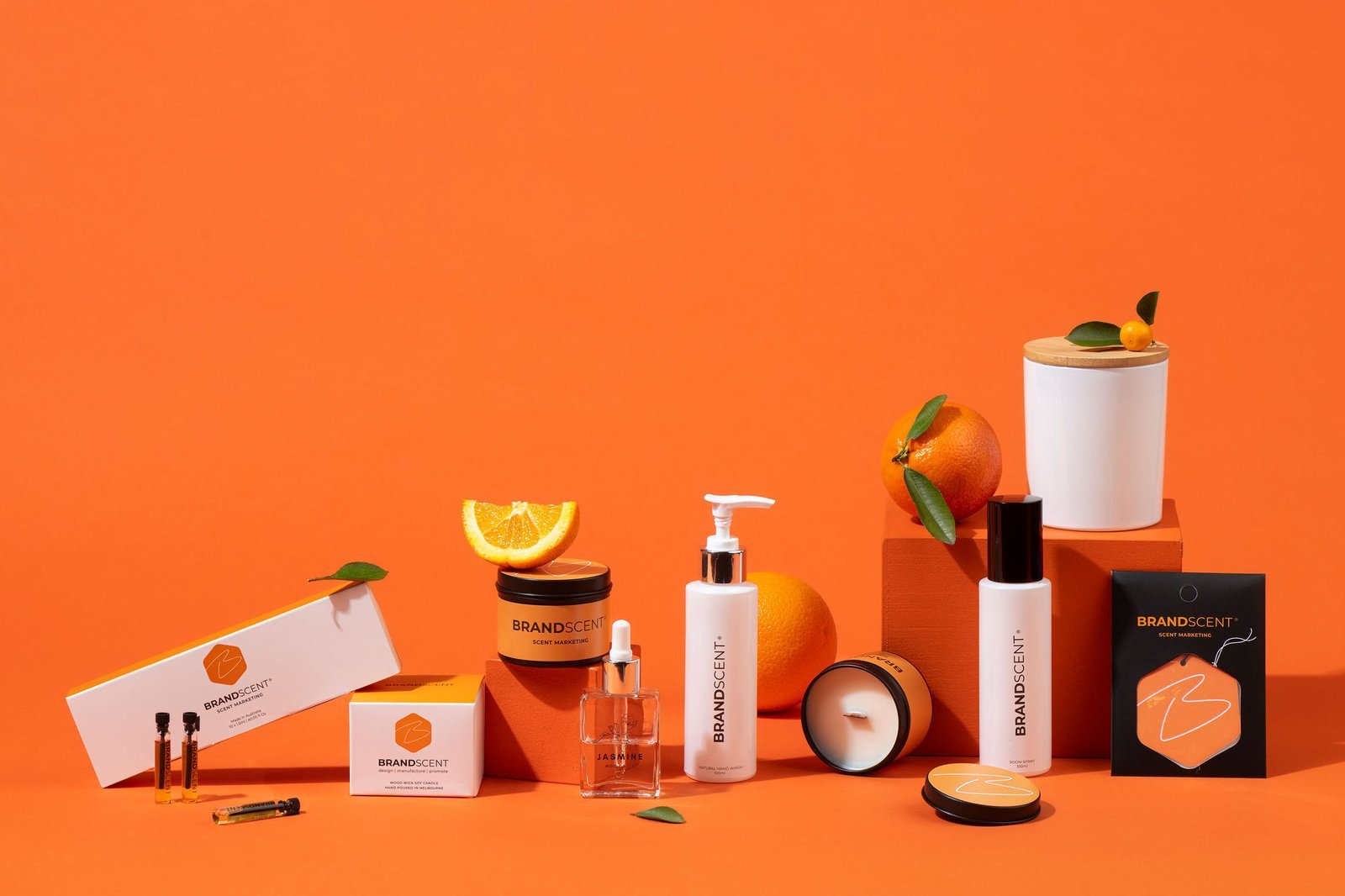
BrandScent is an Australian scent marketing company specialising in ambient scenting, signature scent development, and olfactory branding.
We work with businesses across retail, hospitality, commercial, healthcare-adjacent, property, and experiential environments applying a science-led, responsible approach to scent design and implementation.
If you’re exploring ambient scenting and want to understand what it could look like for your space, a considered conversation is often the best place to start.