Introduction: Why Scent Is the Most Powerful Sense in Marketing
For decades, marketing has focused almost entirely on what people can see.
Logos, colours, typography, store layouts, packaging, brand identity has been built visually, with sound playing a supporting role through music and audio cues. Yet one sense consistently outperforms them all.
Scent.
Scientific research shows that humans retain up to 65% of information associated with scent after one year, compared to around 5% of information presented visually. This difference is not creative theory or trend-based thinking it is grounded in neuroscience.
In this article, we explore the science behind scent marketing, how the brain processes fragrance differently, why scent drives stronger emotional memory, and how brands are using olfactory science to create experiences that last.
What Is Scent Marketing?
Scent marketing is the strategic use of fragrance to influence how people feel, behave, and remember a brand or space.
You may see it referred to online as smell marketing, but the discipline itself is far more intentional and refined than that term suggests. Scent marketing is not about making a space smell pleasant it is about designing emotional response through the olfactory system.
When applied thoughtfully, scent marketing can:
- Shape emotional perception of a space
- Increase comfort and engagement
- Improve dwell time
- Strengthen long-term brand recall
The reason it works so effectively lies in how the brain processes scent.
The Olfactory System: Why Scent Works Differently
A Direct Pathway to Emotion and Memory
Most sensory information sight, sound, touch passes through the thalamus, the brain’s filtering and processing centre. This allows time for interpretation and rational thought.
Scent does not follow this route.
When we inhale a fragrance, scent molecules travel directly to the olfactory bulb, which is closely connected to:
- The amygdala, responsible for emotion
- The hippocampus, responsible for memory
There is no rational filter in between.
This direct connection explains why:
- Scent triggers emotion instantly
- Memories surface without conscious effort
- Responses feel intuitive rather than analytical
From a branding perspective, this makes scent the most efficient way to influence how an environment is experienced.
Scent Marketing Psychology: Emotion Comes First
Human decision-making is driven far more by emotion than logic, particularly in physical environments.
In retail, hospitality, workplaces, and public spaces, emotion influences:
- How long people stay
- How comfortable they feel
- How positively they judge an experience
- Whether they choose to return
How Scent Shapes Behaviour Subconsciously
Research in scent psychology shows that ambient fragrance can:
- Reduce stress and anxiety
- Improve mood and comfort
- Increase openness and engagement
When people feel at ease in a space, their behaviour changes. They slow down, engage more deeply, and form stronger positive associations.
This is why scent marketing is not about persuasion it is about supporting the emotional environment in which decisions naturally occur.
Why Scent Outperforms Visual Marketing
Visual branding remains essential, but it has limitations.
Visual Saturation
Consumers are exposed to thousands of visual messages every day. As a result, the brain has learned to filter visual input quickly and efficiently.
Scent works differently:
- It is harder to ignore
- It feels personal rather than promotional
- It bypasses conscious resistance
Memory Retention
Visual memory fades rapidly unless constantly reinforced. Scent-based memory, by contrast, is:
- Emotionally anchored
- Longer lasting
- More vivid
This is why a familiar scent can trigger recognition instantly even without a logo, sign, or visual cue.
What Scent Memory Research Reveals
Scent memory research consistently demonstrates that smell is the strongest trigger of emotional memory.
Studies show that:
- Scent-related memories are recalled more vividly
- They carry greater emotional intensity
- They persist longer than visual or auditory memories
This occurs because scent activates emotion and memory at the same time, strengthening neural connections in the brain.
For brands, this creates an opportunity to:
- Anchor positive experiences
- Reinforce identity over time
- Build familiarity that feels intuitive and natural
How Scent Marketing Works in Real Environments
Understanding the science is only part of the equation. Application matters just as much.
Retail Environments
In retail spaces, scent can:
- Increase dwell time
- Improve perceived product quality
- Influence customer pace and movement
When customers feel comfortable and engaged, they are more likely to explore and connect with the brand.
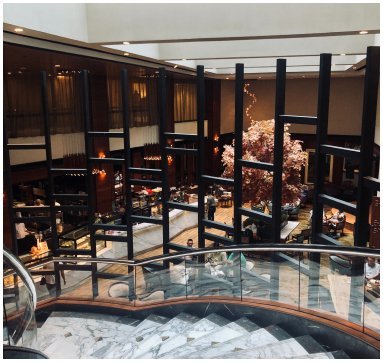
Hospitality and Experience-Based Spaces
In hotels, restaurants, and event venues, scent helps to:
- Create a sense of arrival
- Reinforce atmosphere and mood
- Anchor memory of the experience
Often, guests remember how a place felt long after they forget visual details.
Workplaces and Commercial Spaces
In offices and shared environments, scent can:
- Reduce stress
- Improve comfort
- Support focus and wellbeing
In all cases, the most effective scent strategies are subtle experienced emotionally rather than consciously noticed.
Why Generic Scents Fall Short
One of the most common mistakes brands make is relying on off-the-shelf fragrances.
Generic scents:
- Lack brand alignment
- Are easily forgettable
- Can clash with architecture, design, or audience expectations
Effective scent marketing requires:
- A clear emotional objective
- Alignment with brand values
- A fragrance designed specifically for the environment
This is where olfactory science meets brand strategy.
Scent as an Olfactory Logo
Just as a logo represents a brand visually, a signature scent represents it emotionally.
When used consistently, a scent becomes:
- Familiar
- Recognisable
- Emotionally reassuring
Over time, the scent alone can trigger brand recall even outside the original space. This concept, often referred to as an olfactory logo, is one of the most underutilised brand assets available today.
Why Scent Marketing Is Growing in Australia
Australian brands are increasingly adopting scent marketing as:
- Physical experiences become more valuable in a digital world
- Customers seek emotional connection, not just transactions
- Visual differentiation becomes easier to replicate
Retailers, hospitality groups, developers, and corporates are recognising that scent offers a subtle but enduring advantage.
Implementing Scent Marketing Effectively
Successful scent marketing is not about intensity. It is about precision.
Best practice includes:
- Defining the emotional objective
- Designing a custom scent aligned to that goal
- Using professional diffusion technology
- Carefully calibrating scent levels
- Monitoring and refining over time
When implemented correctly, scent integrates seamlessly into the environment and becomes part of the brand experience.
Measuring the Impact of Scent Marketing
Although scent operates subconsciously, its impact can be measured through:
- Dwell time
- Repeat visitation
- Brand recall surveys
- Customer sentiment
- Sales uplift (depending on the environment)
Many brands report measurable improvements, with some experiencing uplifts of up to 30–40% when scent is strategically aligned.
Final Thoughts: Why Scent Will Always Matter
Scent marketing works because it aligns with human biology.
It bypasses rational thought.
It activates emotion instantly.
It anchors memory deeply.
Visuals may capture attention, but scent creates connection.
For brands focused on building experiences that last not just impressions understanding the science of scent marketing is no longer optional.
About BrandScent
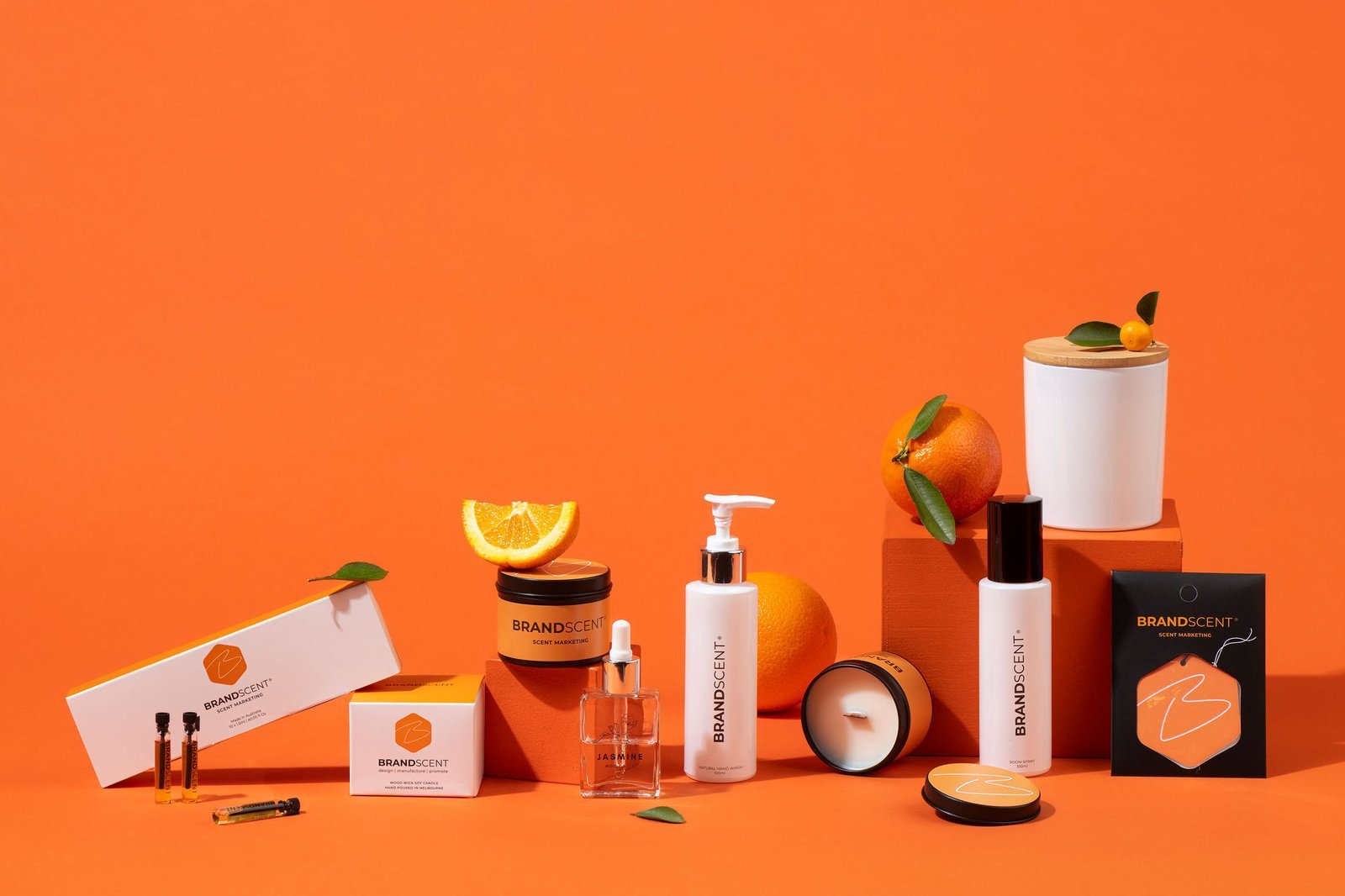
BrandScent works with Australian brands to apply olfactory science strategically creating custom scents that enhance experiences, strengthen brand identity, and build emotional connection.
If you’re exploring how scent marketing could work for your space, a thoughtful conversation is often the best place to start.