Introduction: What Really Happens Behind a Custom Fragrance
When most people think about fragrance creation, they imagine shelves of beautiful bottles, a perfumer smelling strips of paper, and a moment of inspiration.
The reality is far more structured and far more interesting.
Behind every successful signature scent is a disciplined process, guided by olfactory science, brand strategy, and years of professional training. For brands investing in scent as a long-term asset, understanding how professional perfumer services actually work is essential.
This article takes you inside a custom fragrance creation lab, revealing how professional perfumers develop bespoke scents for brands, what happens during a perfumer consultation, and why process matters just as much as creativity.
What Are Professional Perfumer Services?
Professional perfumer services go far beyond selecting or blending pleasant fragrances.
At their core, these services involve:
- Translating brand identity into scent
- Designing fragrances for specific environments
- Applying olfactory science and psychology
- Testing, refining, and optimising performance over time
A professional perfumer is not just a creative they are part chemist, part psychologist, and part strategist.
In the context of brand fragrance creation, the perfumer’s role is to design a scent that:
- Feels emotionally aligned with the brand
- Performs consistently in real environments
- Becomes recognisable and memorable over time
Inside a Custom Fragrance Creation Lab
A professional fragrance lab is both technical and creative.
It typically includes:
- Hundreds to thousands of raw materials (natural and synthetic)
- Precision scales capable of measuring micrograms
- Blotters and evaluation tools
- Ventilated workspaces for accurate scent assessment
- Documentation systems for formulation tracking
Every formulation is recorded in detail. Nothing is improvised or left undocumented because reproducibility and consistency are essential when a scent is used across multiple locations or over many years.
Step 1: The Perfumer Consultation (Where Everything Begins)
The most important part of custom fragrance creation happens before any scent is made.
A professional perfumer consultation focuses on understanding:
- The brand’s identity and values
- The emotional experience the brand wants to create
- The type of space the scent will live in
- The target audience and cultural context
Rather than asking “what scents do you like?”, a skilled perfumer asks questions such as:
- How should people feel when they enter the space?
- Is the experience energising, calming, premium, or familiar?
- What emotions should linger after they leave?
This step ensures the fragrance is strategically driven, not subjectively chosen.
Step 2: Translating Brand Language Into Olfactory Direction
Brands speak in words. Fragrance speaks in molecules.
One of the perfumer’s most valuable skills is translating abstract brand language into olfactory form.
For example:
- “Premium and refined” may translate to woods, resins, soft musks
- “Fresh and modern” may involve citrus, green notes, clean aromatics
- “Warm and welcoming” may use amber, vanilla, or gentle spice
This translation requires experience. Two brands may both describe themselves as “luxury,” but the resulting scents could be entirely different depending on context, audience, and space.
Step 3: Fragrance Architecture Building the Scent
Every custom fragrance is built in layers, often referred to as fragrance architecture.
Top Notes: First Impression
Top notes are the first elements perceived when a scent is introduced. They are lighter, more volatile, and short-lived.
Examples include:
- Citrus
- Herbs
- Light aromatics
In a brand environment, top notes shape immediate perception but are not the scent people remember long-term.
Heart Notes: The Emotional Core
The heart (or middle) notes define the character of the fragrance.
These notes:
- Last longer
- Shape how the scent feels over time
- Carry the emotional intent
Florals, spices, and aromatics often sit here.
Base Notes: Memory and Longevity
Base notes anchor the fragrance.
They:
- Last the longest
- Create depth and warmth
- Drive emotional memory
Common base notes include woods, amber, musks, and resins.
A professional perfumer balances all three layers so the scent evolves naturally while remaining recognisable.
Step 4: Creating and Refining Initial Formulations
Once direction is set, the perfumer begins creating initial formulations.
This stage may involve:
- Multiple scent variations
- Small adjustments in concentration
- Testing different raw material combinations
Each version is evaluated not just for smell, but for:
- Emotional impact
- Balance
- Suitability for long-term exposure
This is where experience matters most. Subtle changes even fractions of a percent can dramatically alter how a fragrance feels.
Step 5: Testing in Real Environments
A fragrance that smells perfect on a blotter may behave very differently in a physical space.
Professional perfumer services include real-world testing, considering:
- Room size and ceiling height
- Airflow and ventilation
- Foot traffic patterns
- Temperature and humidity
Testing ensures the fragrance performs consistently and comfortably, without overpowering or disappearing.
This step is often overlooked by providers who rely solely on lab evaluation and it’s one of the biggest differentiators between consumer-grade and professional fragrance development.
Step 6: Sensitivity, Compliance, and Safety
Professional fragrance development must consider:
- Sensitivity and allergen thresholds
- Compliance with IFRA standards
- Suitability for continuous diffusion
This is particularly important in environments such as:
- Healthcare
- Workplaces
- Public spaces
Professional perfumers are trained to design fragrances that are safe for ambient exposure, not just personal wear.
Step 7: Final Formulation and Documentation
Once testing and refinement are complete, the final fragrance formula is locked in.
This includes:
- Full formulation documentation
- Batch consistency controls
- Long-term reproducibility planning
Documentation ensures the scent can be:
- Reproduced exactly
- Scaled across multiple locations
- Maintained consistently over time
This is essential for brands treating scent as a permanent asset.
Interview Insight: What Professional Perfumers Focus On
When asked what separates professional perfumer services from casual fragrance creation, most perfumers point to intent and discipline.
Key priorities include:
- Emotional accuracy over trendiness
- Consistency over novelty
- Long-term wearability over first impression
In brand fragrance creation, success is not measured by how impressive a scent smells in isolation but by how naturally it integrates into a space and experience.
Custom Perfume Creation vs Off-the-Shelf Fragrance
Many brands initially consider off-the-shelf fragrances due to convenience. However, there are important limitations.
Off-the-shelf fragrances:
- Are shared across multiple brands
- Lack emotional specificity
- Do not build unique brand association
Custom perfume creation, by contrast:
- Is exclusive
- Reflects brand identity
- Builds recognition over time
For brands investing in experience, the difference becomes apparent very quickly.
How Professional Perfumer Services Support Brand Growth
A well-designed signature scent supports:
- Brand differentiation
- Emotional connection
- Memory and recall
- Consistency across touchpoints
Over time, the scent becomes part of how the brand is recognised even without visual cues.
Common Misconceptions About Fragrance Labs
Some common myths include:
- “It’s all creative and subjective”
- “Any nice scent will work”
- “Once it’s chosen, the job is done”
In reality, professional perfumer services are methodical, data-informed, and ongoing. Creativity is essential but structure ensures results.
Why Process Matters More Than Personality
While the image of the “master perfumer” is compelling, successful fragrance creation is not about individual flair alone.
It’s about:
- Process
- Testing
- Refinement
- Alignment with brand strategy
This is why reputable fragrance labs emphasise collaboration and methodology over mystique.
Final Thoughts: What Happens Inside the Lab Shapes Everything Outside It
The scent people experience in a space is the final outcome of weeks sometimes months of careful work.
Professional perfumer services ensure that this outcome is:
- Intentional
- Repeatable
- Aligned with brand identity
- Safe and comfortable for long-term exposure
For brands serious about scent as a strategic asset, understanding what happens inside a custom fragrance creation lab is the first step toward making informed decisions.
About BrandScent
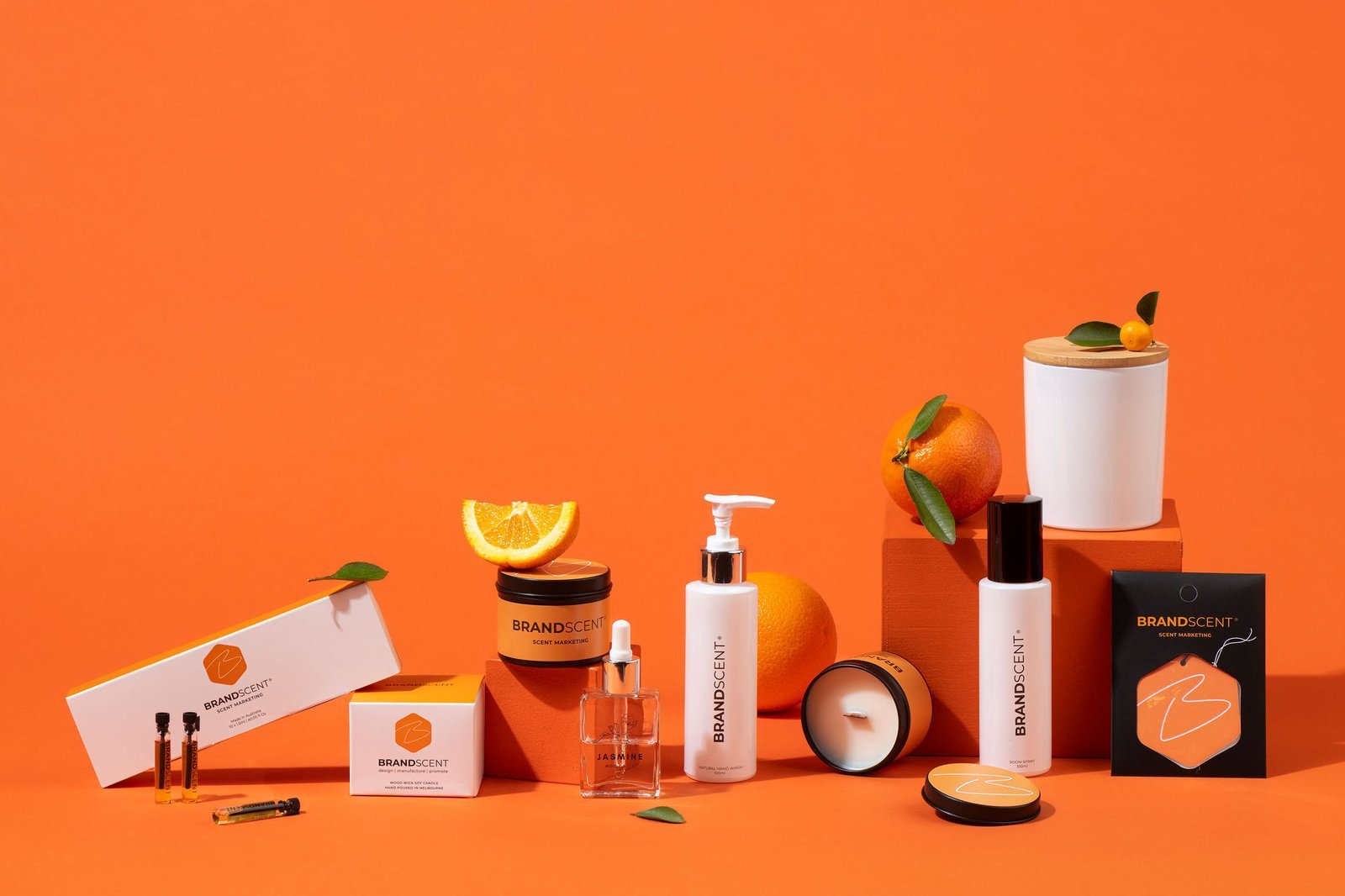
BrandScent works with professional perfumers to deliver custom fragrance creation and olfactory branding solutions for Australian businesses across retail, hospitality, commercial, and experiential environments.
Our approach combines perfumer expertise, olfactory science, and brand strategy ensuring every signature scent is designed with purpose, precision, and longevity.
If you’re curious about how professional perfumer services could support your brand, a considered conversation is often the best place to begin.